




Animal Physiology
Brief Description:
Laboratory of Animal Physiology was established in 2003. It is certified under the ISO 9001:2015 quality management system by Swiss Approval Technische Bewertung (Reference Number: I-030-02-100-01329, valid until 13/01/2028), which includes sample handling, specific experimental procedures, and the approval of accredited equipment. This framework enables the laboratory to demonstrate its ability to perform and document experimental procedures under a standardized protocol. In 2019 it established the spin-off company ‘FoodOxys’.
The laboratory’s research activity can be divided into two main fields. The first concerns the measurement of antioxidants in food. This service studies the origin and quality of food in order to provide better information to the public. In addition, the research team conducts basic and applied research to elucidate the molecular mechanisms of action of bioactive molecules with antioxidant properties, with the ultimate goal of producing biofunctional foods and natural molecules for the cosmetics industry. The second field deals with the identification of antioxidants in humans.
Professor D. Koureta’s research team is a co-inventor on the global patent for a portable glutathione measurement device. Determining glutathione levels in the blood is painless, requiring only a drop of blood from a finger. Scientists are closely examining the expression of key genes related to antioxidant defense, anti-inflammatory potential, and the body’s fundamental cellular defense mechanism. The laboratory conducts in vitro, in vivo, and clinical studies. Scientists use state-of-the-art technologies such as transcriptomic, metabolomic, and proteomic approaches to take a holistic view and investigate the effects of extracts on cells, animal organisms, and humans. Specifically, we study people’s metabolic profiles in conjunction with their lifestyle requirements and determine their personalized needs regarding biofunctional foods from which they could benefit. The goal is to prevent diseases, but also to treat existing ones through a personalized diet, exercise, and fasting regimen designed exclusively according to each individual’s metabolic profile.
The Laboratory of Animal Physiology has participated in more than 30 research projects funded by both private companies and government agencies. In 2019, it founded the spin-off company ‘FoodOxys,’ which provides services to ensure personalized nutritional well-being and to test the bioactivity of foods and dietary supplements. The main purpose of its research is to evaluate the quality and bioactivity of foods and to assess the beneficial effects of consuming foods rich in bioactive compounds, exercise, and intermittent fasting on human metabolism.
Research Interests
Plant based in vitro antioxidant analysis: The aim of our laboratory is to analyze endemic plant extracts, with potentially significant antioxidant and anti-mutagenic activity.
Creation of a product identity: evaluation of foods (e.g. Greek meat, garlic, honey etc.) using a wide variety of in vitro methods, cell line experiments, and in vivo studies. This leads to the creation of a product certification file.
Animal bioactive feeds: In addition, in recent years, research interest has focused on exploiting by-products of agro-industries in order to create innovative animal feeds that exhibit antioxidant activity.
Metabolic health: Interrelation of redox related biomarkers in humans with fasting, exercise and antioxidant consumption.
Cell lines and in vivo studies: Effect of phytochemical extracts, nanoparticles, food supplements, xenobiotics examined either on cells, animal organisms or humans.
Specifically, our research study aims to answer the following questions:
- How does an antioxidant affect the organism?
- What is the minimum amount of the antioxidant to be administered so as not to affect the normal functioning of the free radicals but to improve the antioxidant mechanism and the health of the organism?
- Which are the molecular mechanisms of action of bioactive antioxidant molecules in various tissues?
- Is there any difference in the action of products depending on the qualitative composition in antioxidants?
- Can we describe nowadays the key factors that contribute to metabolic health? What are the interventions proposed?
Personnel
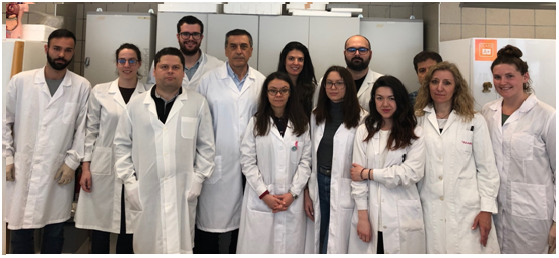
- Teaching & Research Staff
- Dimitrios Kouretas: Professor of Animal Physiology and Toxicology
- Persephoni Giannouli: Associate Professor of Biochemistry and Food Technology (Laboratory Director)
- Dimitrios Stagos: Assistant Professor of Animal Physiology and Toxicology
- Postdoctoral Researchers
- Dr Fotios Tekos: Free radical toxicology
- Dr. Zoi-Vasiliki Skaparda: Free radical toxicology
- Dr Sotiria Makri: Animal physiology
- Dr Anastasia Patouna: Antioxidant Activity of Natural Products
- PhD Candidates
- Periklis Vardakas
- Paraskevi-Maria Nechalioti
- Maria Gasdrogka
- Thomas Karampatzakis
- Laboratory Staff
- Kyriaki Kroustalli
- Iliana Tsakagianni
Laboratory Awards
EDUCATION LEADERS AWARDS 2019, Powered by RDS Informatics – GOLD, INNOVATION IN RESEARCH.
HEALTHY DIET AWARDS 2020 – SILVER, FUNCTIONAL PRODUCTS – Goat and Sheep Whey Protein as an ingredient in functional foods.
ISO Certifications
The Laboratory of Animal Physiology is certified under the ISO 9001:2015 quality management system by Swiss Approval Technische Bewertung
Research Project: MetaBoost
Design and development of a mobile app to promote intermittent fasting through metabolic profile assessment and personalized nutrition guidance.
Bridging the gap between life expectancy and healthy life expectancy is one of the most significant challenges facing modern societies. People today live longer, yet their quality of life has clearly declined in recent years, as they tend to be plagued by chronic diseases. Metabolic health disorders are one of the leading causes of noncommunicable diseases. Metabolic health is closely related to the proper functioning of the human body’s complex metabolic processes. Therefore, maintaining it is vital for promoting overall health and well-being, as well as for preventing pathological conditions. Recent research studies highlight the extremely critical role played by adopting a balanced diet, consuming specific foods, and practicing properly structured fasting in achieving and maintaining optimal metabolic health.
Based on the above, the objective of the proposed research project is to design and develop a comprehensive online platform, accessible to the end user via a mobile app, which will provide personalized dietary recommendations and intermittent fasting guidelines based on a multifaceted assessment of a set of the end user’s individual characteristics. A key role in shaping the personalized dietary intervention will be played by the assessment and recording of the metabolic profile, which will be performed using a rapid detection test for the qualitative or quantitative determination of reduced glutathione levels in a blood sample. Based on a comprehensive assessment of the end-user’s individual characteristics and metabolic profile, personalized dietary and intermittent fasting guidelines will be provided. The primary objective of the proposed research project is to provide a targeted and multifaceted response to the documented and growing need to ensure nutritional well-being and improve metabolic health through personalized dietary intervention. This goal will be achieved through the establishment of a comprehensive partnership that seamlessly combines the research work of the University of Thessaly (UTH), with the participation of the Laboratory of Animal Physiology of the Department of Biochemistry and Biotechnology, as well as the National and Kapodistrian University of Athens (NTUA), with the participation of the Department of History and Philosophy of Science, and the expertise of the companies PARK OF INNOVATION JOIST – THE FACTORY S.L. and PROGNOSIS BIOTECH S.A.
Research Project: BioactBeer
Determination of the bioactivity of Greek beers and conduct of a clinical study to investigate beneficial metabolic effects in humans.
In recent years, beer has attracted scientific interest due to its high content of bioactive compounds and low alcohol content. As the third most popular beverage worldwide, its production is on the rise, with Greece occupying a significant position in European brewing. Beer is a source of carbohydrates, amino acids, vitamins, and polyphenols—substances with strong antioxidant activity derived from hops and malt. Their concentration is influenced not only by the raw materials but also by the brewing techniques. The increased phenolic content improves the quality of the beer, enhancing its aroma, flavor, and stability. Its antioxidants are considered important for protecting against oxidative stress, which is linked to serious diseases such as cardiovascular disease, diabetes, and cancer. Despite the well-known effects of excessive alcohol consumption, international studies show that moderate beer consumption may have protective effects on cardiovascular and neurological health, while also being associated with benefits for physical and mental well-being. In an era of rising metabolic diseases, the search for foods with high nutritional value and beneficial bioactive compounds has intensified. Beer falls into this category due to its antioxidant, anti-inflammatory, and chemoprotective properties. Although Greece has a long tradition of wine, the brewing industry is growing steadily, with beer now accounting for 53% of alcoholic beverage consumption. The number of Greek breweries has doubled in recent years, and they are showing an upward trend in exports. The diversity of the Greek climate and the quality of local raw materials offer significant opportunities for improving and diversifying Greek beer, particularly for microbreweries that produce high-quality, unique products.
Determining the antioxidant potential of commercially available beer is of great interest to consumers, given the potential link between beer consumption and positive effects on human health. Although there are several studies on the phenolic composition and antioxidant capacity of beer worldwide, little attention has been paid to determining these parameters in Greek beer varieties, which are widely consumed and available on the Greek market. This project provides a methodological framework combined with a set of tools and systems capable of evaluating the quality of the country’s beer. Therefore, the objective of the proposed research project is to determine the bioactivity of Greek beers and subsequently conduct a clinical study to investigate metabolic effects on the human body. The evaluation of the products’ intrinsic properties will contribute to characterizing their antioxidant profile and identifying the most bioactive sample, which, in the final phase of the study, will be administered to healthy individuals as part of an assessment of metabolic effects in humans. Overall, the ultimate goal is to assess the biological value of beer, while simultaneously contributing to the promotion of the quality of Greek products.
Research Projects-Funding
An indicative list of research projects of the laboratory funded during the period 2011-2026
- Incorporation of natural antimicrobiotics of plant origin to meat products of high added value in collaboration with ‘Vogiatzoglou meat company’ (30.000 euros) (2011-2013)
- Assessment of the antioxidant activity of grape stem extracts – Incorporation of grape stem extracts to bakery products and assessment of their in vivo antioxidant capacity in collaboration with ‘Kaplanidis Mills’ and ‘Ntougkos Winery’ (80.000 euros) (2010-2013).
- Study of the agro-nutrient identity of foods in collaboration with’ Eat walk Hellas’ company (60000 euros) (2012-2014).
- Study of oxidative stress biomarkers and metabolic profile in patients (300.000 euros) (2012-2018).
- Effects of a product containing carbohydrates and proteins on oxidative stress biomarkers after administration to athletes (ESPA; 45.000 euros) (2011-2014).
- Assessment of oxidative stress in physiological and pathophysiological conditions using the diagnostic system ORP of Luoxis company (47.000 euros) (2013-2015).
- Study of the chemical composition and toxicity of liquids used in electronic cigarettes (Association of companies of electronic cigarette; 756.000 euros) (2012-2018).
- Study of bioactivity of biofunctional foods from spirulina (20.000 euros) (2014-2017).
- Assessment of oxidative stress in i) athletes, ii) septic patients, iii) patients with eating disorders, using the diagnostic tests ORP company Luoxis (budget EUR 45.000) (2014-2016).
- Study of functional properties of Coffee extracts (45.000 Euros). Cooperation with Coffee Island (2015-2017).
- Study of functional properties of olive oil extracts from Mount Athos olive oil (50.000 Euros). Cooperation with Tsantali Winery, Greece (2016-2018).
- Functional Food Development from grape stems: Cooperation in the frame of the action EREYNO-KAINOTOM0-DIMOURGO of Gsrt, Greece (450.000 euros), 2018-2020. SCIENTIFIC LEADER
- Study of Greek meat quality by a combination of molecular and other techniques: Cooperation in the frame of the action EREYNO-KAINOTOM0-DIMOURGO of Gsrt, Greece (850.000 euros), 2018-2020. PARTNER
- GIS study plus antioxidant proflle of cherries in Greece, to the development of a tool for high added value of greek products: Cooperation in the frame of the action EREYNO-KAINOTOM0-DIMOURGO of Gsrt, Greece (400.000 euros), 2018-2020. SUBCONTRACTOR
- High added value dairy products from exploitation of olive mills water waste polyphenols: Cooperation in the frame of the action EREYNO-KAINOTOMΟ-DIMOURGO of Gsrt, Greece (450.000 euros), 2018-2020. SUBCONTRACTOR
- MetaBoost- Design and development of a mobile application for the adoption of intermittent fasting patterns through metabolic profile assessment and personalized nutrition (965.999,91 euros), 15/04/25 – 31/05/2026.
- BioactBeer- Determination of the bioactivity of Greek beers and conduction of a clinical study to investigate beneficial metabolic effects in humans (1.800.000,00 euros), 15/04/2025 – 31/05/2026.
Publications
17 indicative publications from 2024–2025 are presented:
- Karampinis E, Koumaki D, Sgouros D, Nechalioti PM, Toli O, Pappa G, Papadakis M, Georgopoulou KE, Schulze-Roussaki AV, Kouretas D. Non-Melanoma Skin Cancer: Assessing the Systemic Burden of the Disease. Cancers (Basel). 2025 Feb 19;17(4):703. doi: 10.3390/cancers17040703. PMID: 40002296; PMCID: PMC11853326.
- Ikonomidis I, Pavlidis G, Pliouta L, Katogiannis K, Maratou E, Thymis J, Michalopoulou E, Prentza V, Katsanaki E, Vlachomitros D, Kountouri A, Korakas E, Andreadou I, Kouretas D, Parissis J, Lambadiari V. Effects of Glucagon-Like Peptide-1 Receptor Agonists, Sodium-Glucose Cotransporter-2 Inhibitors, and Their Combination on Neurohumoral and Mitochondrial Activation in Patients With Diabetes. J Am Heart Assoc. 2025 Mar 4;14(5):e039129. doi: 10.1161/JAHA.124.039129. Epub 2025 Feb 26. PMID: 40008510; PMCID: PMC12132653.
- Vardakas P, Chatziloizou M, Kouretas D. Nanomaterials: Applications, health implications and environmental risks. Environ Res. 2024 Jul 1;252(Pt 3):118706. doi: 10.1016/j.envres.2024.118706. Epub 2024 Mar 16. PMID: 38492835.
- Veskoukis AS, Christodoulou C, Skaperda Z, Kouretas D, Liadaki K. Hypochlorous acid induces a redox-dependent growth of C2C12 myoblasts. Cell Mol Biol (Noisy-le-grand). 2024 Nov 24;70(10):1-8. doi: 10.14715/cmb/2024.70.10.1. PMID: 39605130.
- Begolli R, Patouna A, Vardakas P, Xagara A, Apostolou K, Kouretas D, Giakountis A. Deciphering the Landscape of GATA-Mediated Transcriptional Regulation in Gastric Cancer. Antioxidants (Basel). 2024 Oct 18;13(10):1267. doi: 10.3390/antiox13101267. PMID: 39456519; PMCID: PMC11504088.
- Fiedler AG, Klein L, DeMarco T, Kouretas P, Smith JW. Comment on: Detection and management of HLA sensitization in candidates for adult heart transplantation. J Heart Lung Transplant. 2024 May;43(5):858. doi: 10.1016/j.healun.2023.04.008. Epub 2023 Apr 21. PMID: 37088342.
- Leventelis C, Makri S, Ververi A, Papageorgiou K, Tentolouri A, Mountzouridi E, Tekos F, Barmpas PT, Tasoulis S, Metsios GS, Kouretas D, Veskoukis AS. Pomegranate juice ameliorates craving and oxidative stress on patients under medication for opioid addiction treatment with methadone and buprenorphine: A ranzomised controlled trial. Clin Nutr ESPEN. 2025 Apr;66:34-45. doi: 10.1016/j.clnesp.2025.01.025. Epub 2025 Jan 10. PMID: 39798867.
- Tsiara E, Makri S, Skaperda Z, Giannakoulas N, Vasilopoulos G, Kouretas D. Redox biomarker levels in patients with myelodysplastic syndrome. Biomed Rep. 2025 Jan 14;22(3):45. doi: 10.3892/br.2025.1923. PMID: 39882334; PMCID: PMC11775644.
- Grundler F, Mesnage R, Ruppert PMM, Kouretas D, Wilhelmi de Toledo F. Long-Term Fasting-Induced Ketosis in 1610 Subjects: Metabolic Regulation and Safety. Nutrients. 2024 Jun 13;16(12):1849. doi: 10.3390/nu16121849. PMID: 38931204; PMCID: PMC11206495.
- Kourti M, Skaperda Z, Tekos F, Stathopoulos P, Koutra C, Skaltsounis AL, Kouretas D. The Bioactivity of a Hydroxytyrosol-Enriched Extract Originated after Direct Hydrolysis of Olive Leaves from Greek Cultivars. Molecules. 2024 Jan 6;29(2):299. doi: 10.3390/molecules29020299. PMID: 38257212; PMCID: PMC10818913.
- Kasiotis KM, Zafeiraki E, Manea-Karga E, Kouretas D, Tekos F, Skaperda Z, Doumpas N, Machera K. Bioaccumulation of Organic and Inorganic Pollutants in Fish from Thermaikos Gulf: Preliminary Human Health Risk Assessment Assisted by a Computational Approach. J Xenobiot. 2024 Jun 1;14(2):701-716. doi: 10.3390/jox14020041. PMID: 38921650; PMCID: PMC11204809.
- Karras SN, Michalakis K, Tekos F, Skaperda Z, Vardakas P, Ziakas PD, Kypraiou M, Anemoulis M, Vlastos A, Tzimagiorgis G, Haitoglou C, Georgopoulos N, Papanikolaou EG, Kouretas D. Effects of Religious Fasting on Markers of Oxidative Status in Vitamin D-Deficient and Overweight Orthodox Nuns versus Implementation of Time-Restricted Eating in Lay Women from Central and Northern Greece. Nutrients. 2024 Sep 29;16(19):3300. doi: 10.3390/nu16193300. PMID: 39408266; PMCID: PMC11478604.
- Patouna A, Tekos F, Charouli M, Vardakas P, Kouretas D. Greek Raw Honey from Pindos Mountain Improves Redox Homeostasis of RAW264.7 Macrophages. Int J Mol Sci. 2025 Mar 21;26(7):2868. doi: 10.3390/ijms26072868. PMID: 40243439; PMCID: PMC11989164.
- Patouna A, Tekos F, Charouli M, Vardakas P, Kouretas D. Greek Raw Honey from Pindos Mountain Improves Redox Homeostasis of RAW264.7 Macrophages. Int J Mol Sci. 2025 Mar 21;26(7):2868. doi: 10.3390/ijms26072868. PMID: 40243439; PMCID: PMC11989164.
- Gkasdrogka M, Tekos F, Skaperda Z, Vardakas P, Kouretas D. Evaluation of the Antioxidant Properties and Bioactivity of Koroneiki and Athinolia Olive Varieties Using In Vitro Cell-Free and Cell-Based Assays. Int J Mol Sci. 2025 Jan 16;26(2):743. doi: 10.3390/ijms26020743. PMID: 39859457; PMCID: PMC11765908.
- Karras SN, Michalakis K, Kypraiou M, Anemoulis M, Vlastos A, Tzimagiorgis G, Haitoglou C, Tekos F, Skaperda Z, Vardakas P, Georgopoulos N, Papanikolaou EG, Kouretas D. Effect of Vitamin D Supplementation on Oxidative Stress Biomarkers in Women Following Religious or Intermittent Fasting Patterns. Nutrients. 2025 Oct 28;17(21):3389. doi: 10.3390/nu17213389. PMID: 41228462; PMCID: PMC12608287.
- Seralini GE, Jungers G, Andersen A, Antoniou M, Aschner M, Bacon MH, Bertrand M, Bohn T, Bonfleur ML, Bücking E, Defarge N, Djemil R, Domingo JL, Douzelet J, Fagan J, Fournier T, Garcia JLY, Gil S, Hervé-Gruyer P, Hilbeck A, Hilty L, Huber D, Joyeux H, Khan I, Kouretas D, Lemarchand F, Loening U, Longo G, Mesnage R, Nikolopoulou DI, Panoff JM, Parente C, Robinson C, Scherber C, Sprangers D, Sultan C, Tsatsakis A, Vandelac L, Wan NF, Wynne B, Zaller JG, Zerrad-Saadi A, Zhang X. Scientists’ warning: we must change paradigm for a revolution in toxicology and world food supply. Environ Sci Eur. 2025;37:182. doi: 10.1186/s12302-025-01217-3. Epub 2025 Nov 4. PMID: 41551494; PMCID: PMC12807487.
PhD Thesis
- Dimitrios Stagos: “Study of the biological properties of extracts and plant polyphenols from Greek grapevine varieties (Vitis vinifera).” (2006)
- Chrysoula Spanou: “Study of the biological properties of extracts from various legume varieties.” (2010)
- Aristides Veskoukis: “The effect of allopurinol administration on oxidative stress during exercise.” (2010)
- Panagiotis Kavvadas: “Study of the role of integrin-linked kinase in pulmonary fibrosis.” (2010)
- Varamenti Evdokia: “Changes in markers of oxidative stress, inflammation, and angiogenesis during a one-year training cycle in high-level female water polo players.” (2012)
- El Hamitié Abraham: “Regulation of protein kinase function by Cdc 37 and the group of associated proteins.” (2013)
- Kerasioti Efthalia: “Effect of carbohydrate-protein supplementation on markers of oxidative stress, inflammation, and hypoxia following exercise in humans.” (2014)
- Gkoutzourelas Nikolaos: “Study of the effect of grape extracts on muscle and endothelial cells using a combination of molecular techniques.” (2016)
- Gerasopoulos Konstantinos: “Assessment of antioxidant capacity in pigs and broiler chickens following the administration of feed containing polyphenolic additives derived from olive mill waste.” (2016)
- Spanidis Ypatios: “In vivo assessment of oxidative stress using a new redox potential indicator under physiological and pathophysiological conditions.” (2019)
- Priftis, Alexandros: “Assessment of the bioactivity of coffee extracts.” (2019)
- Makri Sotiria: “Evaluation of the antioxidant capacity of biofunctional feed enriched with by-products from wineries and olive oil mills in broiler chickens and sheep.” (2020)
- Kouka Paraskevi: “Evaluation of the antioxidant capacity of total olive oil extract using a combination of molecular techniques.” (2020)
- Polyxeni Fountoukidou: “Measurement of oxidative stress markers in rat tissues and blood following administration of a mixture of pesticides and food preservatives in small doses over a long period of time” (2021)
- Nikolaos Georgiadis: “Meta-analysis to establish criteria for classifying chemicals as cardiotoxic according to European legislation.” (2022).
- Zoi – Vasiliki Skaparda: “Study on the identity and quality control of Greek meat using a combination of redox markers in blood and tissues” (2022).
- Fotios Tekos: “Study of the biological activity of extracts derived from native wine and grapevine varieties using in vitro and in vivo molecular assays.” (2023).
- Anastasia Patouna: “Study of the antioxidant profile of native honey varieties and the effect of honey gel on the redox status of humans.” (2025)
- Periklis Vardakas: “Study of the antioxidant activity of nanoparticles in vitro.” (2020–ongoing).
- Paraskevi – Maria Nechalioti: “Study of the subchronic toxicity of low doses of glyphosate and a mixture of glyphosate with 2,4-dichlorophenoxyacetic acid and dicamba in mice” (2022–ongoing).
- Maria Gasdrogka: “Study of the biological activity of olive varieties and olive oils in vitro using a combination of molecular techniques” (2023–ongoing).
- Thomas Karampatzakis: “Study of the biological activity of waste and byproducts from primary industrial production in vitro and in vivo” (2023–ongoing).
Services
- Measurement of a set of biomarkers in a blood sample that are related to critical gene expression (and have been linked to oxidative stress, cytoprotection, anti-aging, inflammation).
- Study of the product’s origin and quality in order to provide better information to the company producing or marketing the products so as to be able to evaluate its suppliers and set accordingly the market prices.
- Evaluation of various nutritional supplements and foods using a wide variety of in vitro methods, cell line experiments, and in vivo studies. This leads to the creation of a product certification file.
- Development of biofunctional foods and components for the cosmetic industry. In addition, synthetic molecules are analyzed for their medicinal properties.
- Laboratory analysis of global agricultural products for the new innovative European AFQ certification mark.
Laboratory of Animal Physiology
Department of Biochemistry and Biotechnology
(Ground Floor)
University of Thessaly
Viopolis, 41500 – Larissa
Contact
2410-565286 -30 -93
dkouret-at-uth.gr