


Biochemical Toxicology
Theory: 3 hours/week | Practicals: 2 hours/week | ECTS Units: 5
Learning outcomes
The aim of the course is to introduce students to the concepts of toxicity from a biochemical perspective, examining a range of factors that exert toxic effects on organisms and how these effects are mediated. Emphasis is placed on the molecular mechanisms underlying cellular damage.
Syllabus
- Introduction to Biochemical Toxicology
- Risk Assessment in Toxicology
- Endocrine Disruptors – Nutrition – Obesity
- Toxicokinetics
- Xenobiotic Metabolism
- Carcinogenesis – Chemoprevention – Mechanisms
- Organ Toxicology
- Pesticides – Mechanisms of Toxicity
- Toxicology of Genetically Modified Products – EU Legislation – Risk Assessment of GM Products
- Introduction to Forensic Toxicology
- Narcotics – Doping
Laboratory Exercises
- Presentation – Drug development – Stages of the experimental biomedical research model
- Determination of antioxidant activity through free radical scavenging capacity (ABTS•+ and DPPH• assays)
- Determination of glutathione levels in blood and liver
- Determination of thiobarbituric acid reactive substances (TBARS) in plasma
- Determination of total antioxidant capacity (TAC) in plasma
- Determination of catalase (CAT) activity in blood and liver
- Ames test
- Determination of cytotoxicity using the XTT assay
Student Performance Evaluation
Students are graded based on their performance in a three-hour written examination conducted at the end of the semester.
Assessment of the laboratory component is carried out through the submission of two laboratory reports and written examinations.
Assessment methods: short-answer questions and essay-type questions.
Suggested Bibliography
Casarett & Doull’s Basic Toxicology (Greek edition, Parissianos Publishers).
Teaching Material / E-class
Lecturers
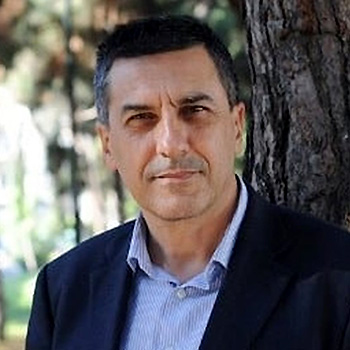
Dimitrios Kouretas (Course Coordinator)

Dimitrios Stagos