Educational Process
The educational process at the Department of Biochemistry and Biotechnology is oriented towards educational practices, which are based on active learning. Active learning is closely related to what is called “learning to learn” and to “learning by doing” at John Dewey’s Laboratory School. In the context of active learning, students are taking on more and more responsibility for their own learning, and teachers have a role to play in activating and facilitating learning, rather than acting as presenters or transmitters of ideas. The success of the educational process depends on the willingness of students to make mistakes, to participate in discussions, to realize and accept that sometimes their views are wrong, and to learn from each other. Active learning abandons the instruction teaching model, in which knowledge is simply “transferred” or “transmitted” from teachers to students.
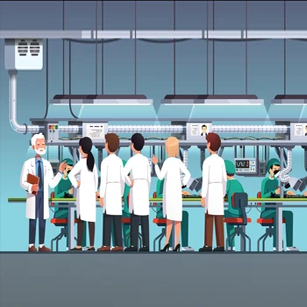
In the Department a large part of the educational process focuses on the use of laboratories in small groups of students. In the context of laboratory teaching and learning, active learning is linked to inquiry-based learning, problem-based learning and discovery learning, where students learn by answering and asking scientific questions, analyzing evidence, relating this evidence to their pre-existing knowledge, drawing conclusions and reflecting on their findings. Thus, learning becomes a process of meaning-making. Students replace or adapt existing knowledge and understanding (based on their prior knowledge) to deeper and more specialized levels of understanding. Educational visits to scientific and workplaces also cultivate experiential learning, which takes place through direct experience with real professional life.

Laboratory training in few-membered groups of students
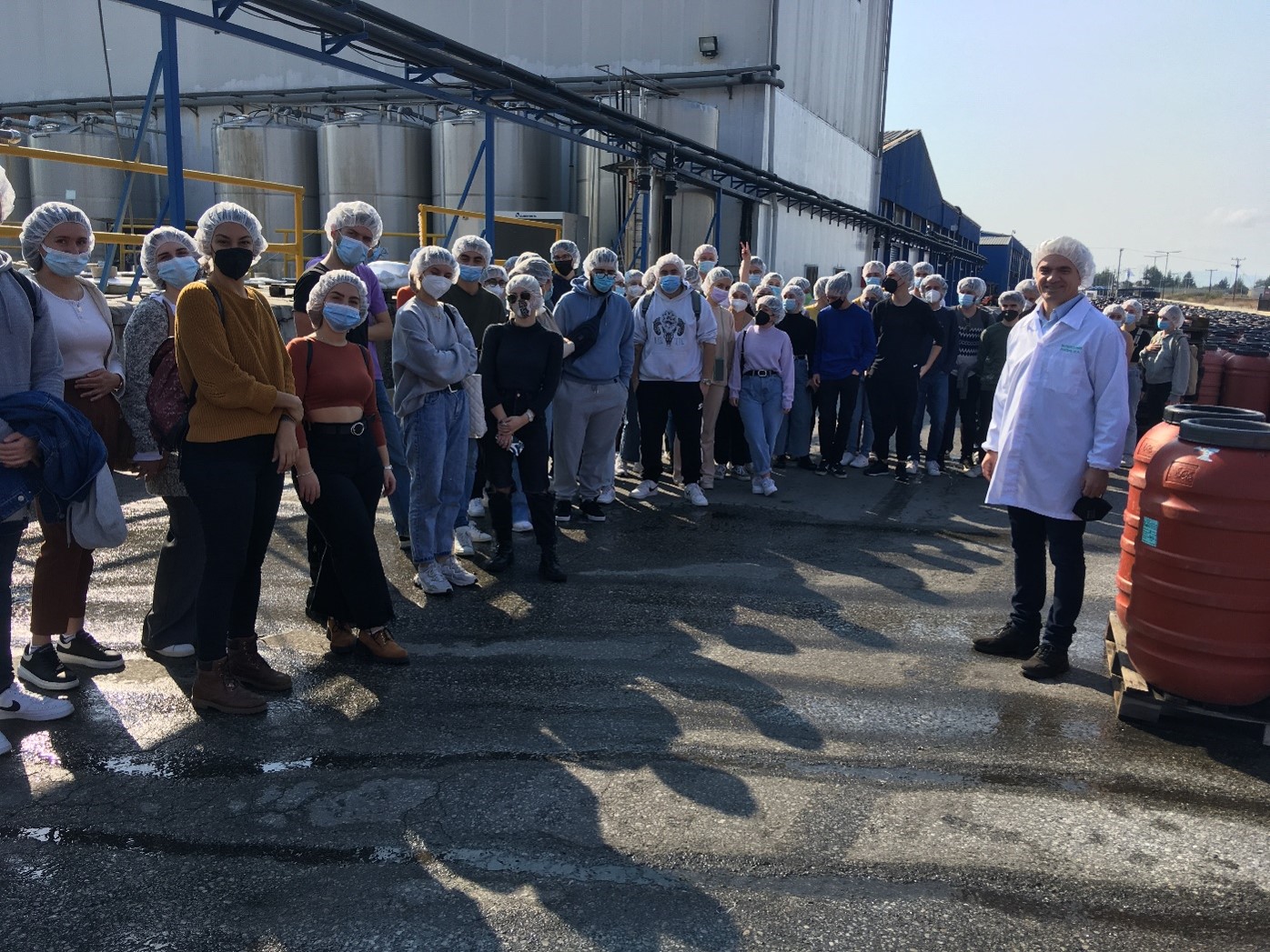
Educational visit to a food processing company in Thessaly Region
Through in-depth tutoring courses, assignments, exercises and critical presentations of specialized research topics, which are done by students and based on the search of modern literature in international databases, substantive understanding is encouraged and cultivated (instead of data memorization by repetition or problem-solving recipes), which students can then apply to different contexts and problems. This approach to understanding and problem solving is urgently sought after by research centers, universities, and professional bodies.
The educational process at the Department encourages students’ learning, but also their autonomy, giving them the opportunity to participate more and control the learning process. It also equips them with skills to promote lifelong learning in the future, an element necessary in the modern working reality.
The active learning process “addicts” students on the one hand in scientific research and work, in order to acquire the necessary knowledge and skills for the pursuit of scientific / professional activity related to their bioscientific studies, on the other hand, it prepares them to be able to practice the profession of Biology teacher in high school, in combination with the specific courses that constitute the certificate of Pedagogical and Teaching Adequacy granted by the Department to its students.