
Lab Skills in Biological Diversity

ΒΒ0102 | ECTS: 3
Practicals: 3 hours/week
Learning Outcomes
The primary purpose of the course is to provide a concise but as complete as possible presentation of the wide range of biological organization and diversity. It is considered particularly important to understand the phenomenon of life at all its levels and to realize its enormous diversity, which is nevertheless based on and results fro
Upon completion of the course, students are expected to:
- know and be able to describe how the optical microscope and stereoscope work, and calculate the magnification power and resolution of an optical microscope
- distinguish the characteristics of each kingdom of eukaryotic organisms
- Identify the various types of plant and animal tissues and determine the organs they form
- compare the reproductive strategies and structures of fungi and plants
- describe how angiosperms and vertebrates develop.
Course Content
- Microscopy and microscopic observation
- Introduction to biodiversity and classification
- Protists
- Fungi
- Lower plants: Bryophytes – Pteridophytes
- Spermatophyte tissues
- Spermatophyte organs: the stem
- Spermatophyte organs: the root and the leaf
- Spermatophyte reproduction and development
- Animal tissues
- The development of animals
- Biogeochemical cycles: the sequestration of carbon within forest ecosystems
- Population ecology: population distributions and size
Student Performance Evaluation
Course performance is assessed through written and oral exams during the exam period.
The written exam includes:
- open-ended questions
- statements that the student must decide whether they are true or false
- focused questions that require short and precise answers
- statements with blanks that must be filled in
Suggested Bibliography
- JoVE CORE BIOLOGY
- Campbell Biology, 13th edition, Published by Pearson (2025). Lisa A. Urry, Peter V. Minorsky, Kerry L. Hull, Rebecca B. Orr
- Biology 11th Edition, by Eldra Solomon, Charles Martin, Diana Martin, Linda Berg. Brooks/Cole/Cengage, 2018.
- Biology Today and Tomorrow With Physiology, 6th Edition by Cecie Starr, Christine Evers, Lisa Starr. Cengage, 2021.
Teaching Material / E-class
Lecturers
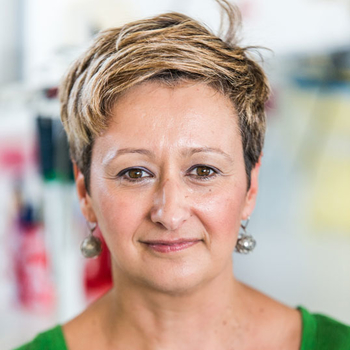
Katerina Μoutou (Course Coordinator)
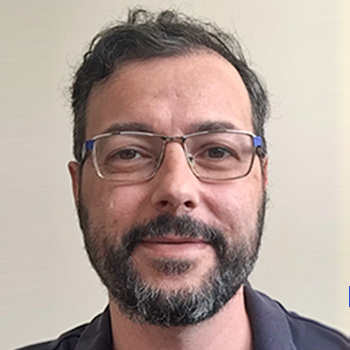
Sotirios Vasileiadis
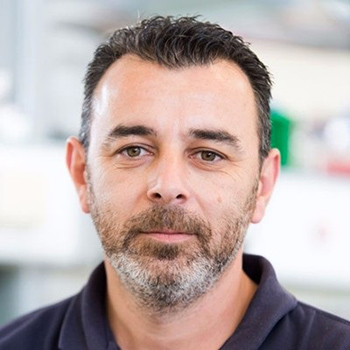
Constantinos Stamatis
