

Animal Developmental Biology

ΒΒ0401 | ECTS: 4
Theory: 3 hous/week
Learning Outcomes
The aim of the course is to provide an overview of the subject of Animal Developmental Biology, exploring the following two main questions:
How does the fertilized egg give rise to an adult individual?
How does the adult give rise to another individual, i.e. the next generation?
In this context, the course focuses on the comparative presentation of developmental mechanisms and their regulation in model organisms, both invertebrates and vertebrates.
Upon completion of the course, students are expected to:
- know and be able to describe the most popular model organisms used in the study of development and be able to distinguish basic similarities and differences between them in the context of the developmental processes that constitute the remaining learning objectives.
- explain how differential gene expression and its regulation at different levels creates the diversity of cell types in the organism.
- identify the events that determine the architecture of the body in early development.
- understand the mechanisms of organogenesis from the different germ layers and the phenomenon of regeneration.
- know the reproductive organs, sex determination and the processes of gametogenesis and fertilization.
- combine previous knowledge in the fields of genetics, cell biology, biochemistry and molecular biology to analyze processes and mechanisms that determine the creation of functional life forms.
Analytical Description of the Course
- Comparative presentation of the main model organisms in Animal Developmental Biology: Xenopus, Zebrafish, Chicken, Mouse, Drosophila, Caenorhabditis elegans.
- Regulation of differential gene expression and cellular differentiation. Basic developmental biology techniques for the study of differential gene expression.
- Stem cells in embryos and adults, their regulation and plasticity.
- Early development in invertebrates and vertebrates: Cleavage. Gastrulation. Summary of the developmental program, establishment of the dorso-ventral and the antero-posterior patterning in Drosophila. Physiological development and regional specialization in the elegans embryo. Formation of the three germ layers and determination of axes of symmetry in zebrafish, Xenopus, chicken and mouse.
- Development of the nervous system: Stages of neural tube development, induction signals that regulate neural cell differentiation.
- Development of organs of mesodermal origin: Somitogenesis and myogenesis. The kidney. Gametes and gonadal development. Limb development. Heart and blood vessels.
- Gametogenesis-fertilization: Structure and differentiation of eggs and sperm. Gamete recognition. Acrosomal reaction. Gamete fusion. Block of polyspermy. Metabolic activation of the egg. Fusion of the genetic material of the gametes. Polarity.
- Development of organs of endodermal origin: Physiological development. Specification of the endoderm and digestive tract. Pancreas.
- Adult discs in Drosophila: Metamorphosis. Genetic study of larval development. Development of adult discs. Organization of the local pattern of the wing disc.
- Regeneration: The ability to regenerate in the animal kingdom. Limb regeneration in vertebrates.
- Growth-aging: Biochemistry of growth in the context of increasing cell division and cell size. Aging as a developmental process. Insulin signaling pathway.
Student Performance Evaluation
Students are evaluated based on their performance either in the written exams at the end of the semester or in two intermediate exams during the semester.
The written exam includes:
1. open-ended questions (50 points)
2. fill-in-the-blank sentences (20 points)
3. sentences that the student must decide whether they are true or false (30 points)
The total number of correct answers corresponds to 100 points, which are reduced to a grade of 10.
Suggested Bibliography
- Developmental Biology, 13th Edition, Michael Barresi and Scott Gilbert, Sinauer Associates, Oxford University Press
- Essential Developmental Biology, 4th Edition, Jonathan M. W. Slack, Leslie Dale, Wiley-Blackwell
Teaching Material / E-class
Lecturers
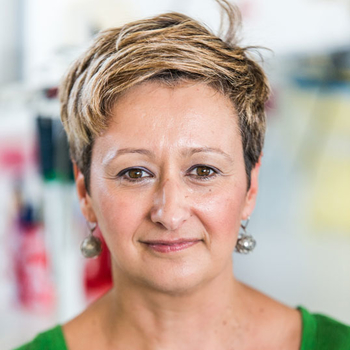
Katerina Μoutou (Course Coordinator)